Choosing the right flooring for your home can be a little tricky. There are several factors to consider beyond just the pattern and design. One of the biggest decisions is whether to use granite or ceramic tiles for your floors.
At a glance, granite and ceramic tiles may seem quite similar, and both are popular flooring materials. However, they have different characteristics that are worth considering. So, what exactly is the difference between granite vs. ceramic tiles?
The differences can be seen in everything from their materials and durability to maintenance and price. To help you make the right choice, let's take a closer look at how granite and ceramic tiles compare.
What's the Difference Between Granite vs. Ceramic Tiles?
Both granite and ceramic tiles can be used as flooring materials, but they have several differences that may affect your choice. This is why many homeowners wonder which one is better suited to their needs.
In general, granite and ceramic tiles differ in terms of their materials, durability, manufacturing process, appearance, price, and installation. Here's a closer look at each difference:
1. Base Materials
The first difference between granite and ceramic tiles lies in the materials they're made from. Granite tiles are made from a denser material with characteristics similar to natural stone. This makes them known for their strength and gives floors and walls a more premium appearance.
Ceramic tiles, on the other hand, are generally made from a mixture of clay, sand, kaolin, and other minerals. The mixture is shaped into tiles and fired at high temperatures, resulting in tiles with precise shapes and sizes.
Granite tiles also have fewer pores, which means they have low water absorption. This makes them a suitable option for areas that are frequently exposed to water or moisture.
However, because granite tiles are denser and heavier, they require a suitable adhesive for proper installation. Ceramic tiles tend to be lighter and are generally easier to install, as long as the installation follows the product specifications.
2. Durability
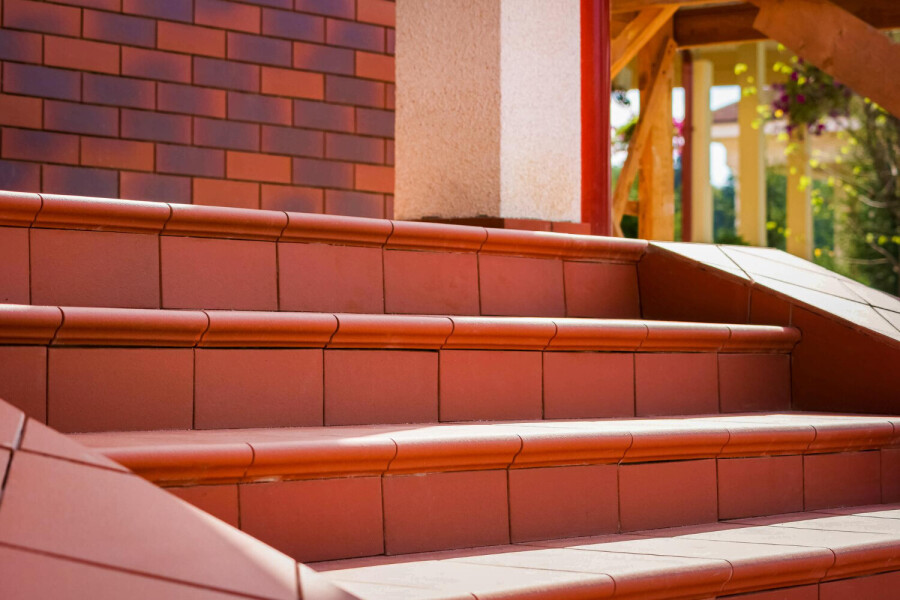
When it comes to durability, granite tiles are generally stronger than ceramic tiles. Their surfaces are more resistant to scratches and impact and can withstand relatively heavy loads.
This makes granite a suitable choice for high-traffic areas, such as living rooms, bathrooms, and commercial spaces.
Ceramic tiles are also durable enough for everyday use. However, some types may be more prone to cracking when exposed to strong impacts. That said, ceramic tile quality varies widely today, so there are plenty of options with good durability for different applications.
Read also: SNI Certification for Ceramic Tile: The Complete Requirements
3. Manufacturing Process
Granite and ceramic tiles also differ in how they are manufactured. Granite tiles are fired at high temperatures of around 1,230°C, which makes the material denser and stronger.
So, how are ceramic tiles made? They are made from clay that is fired at temperatures of around 1,000°C. After firing, the surface is typically coated with a glaze to create a smoother and often glossy finish.
4. Tile Size and Its Effect on the Space
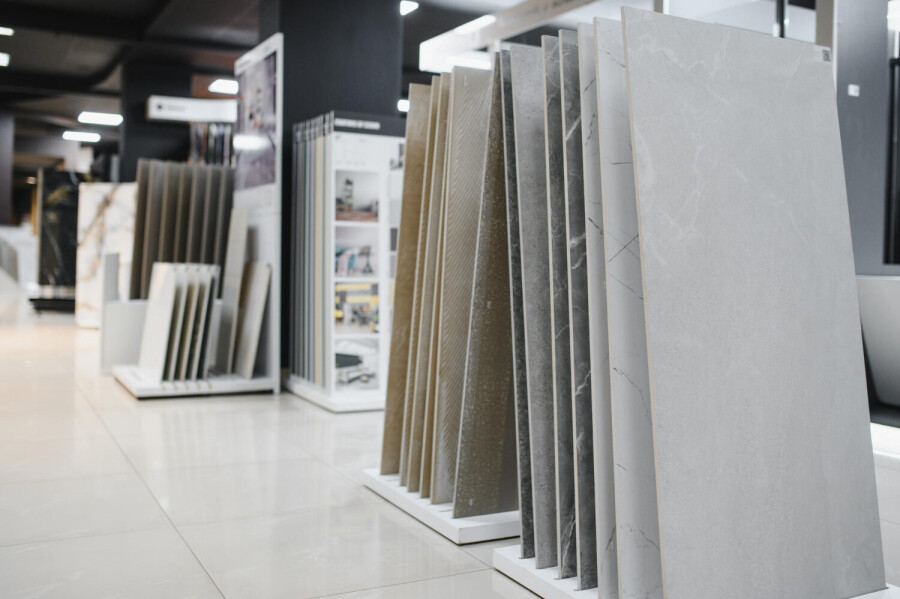
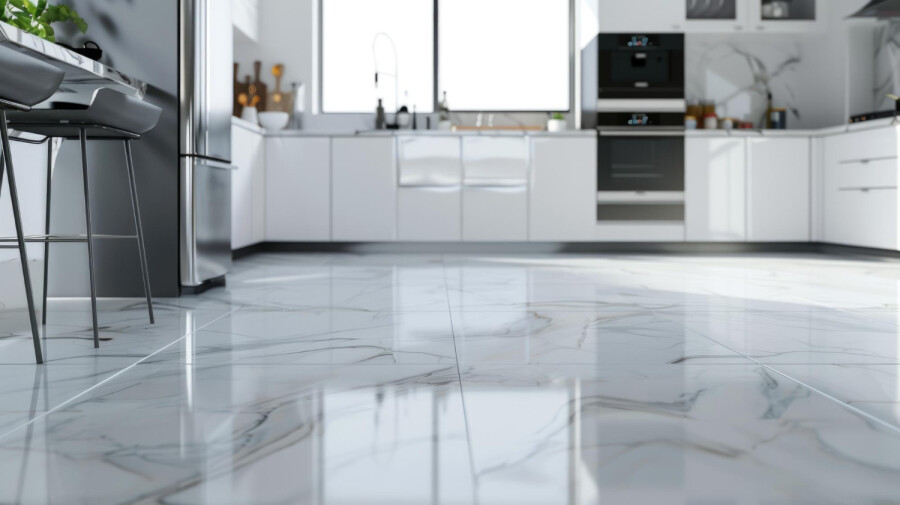
Tile size is another factor that sets granite and ceramic tiles apart. Granite tiles are typically available in larger sizes, which means fewer grout lines are needed. This can give the floor a cleaner, more seamless look and make the room feel more spacious.
Ceramic tiles, meanwhile, come in a wider range of sizes, from small to large formats. This gives you more flexibility to choose a size that suits your room dimensions and desired design.
5. Patterns, Colors, and Appearance
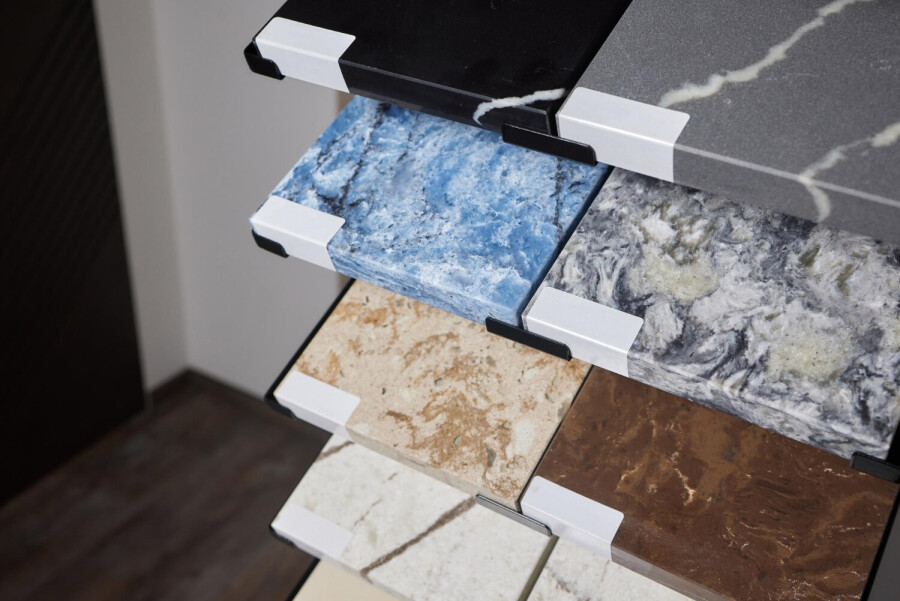
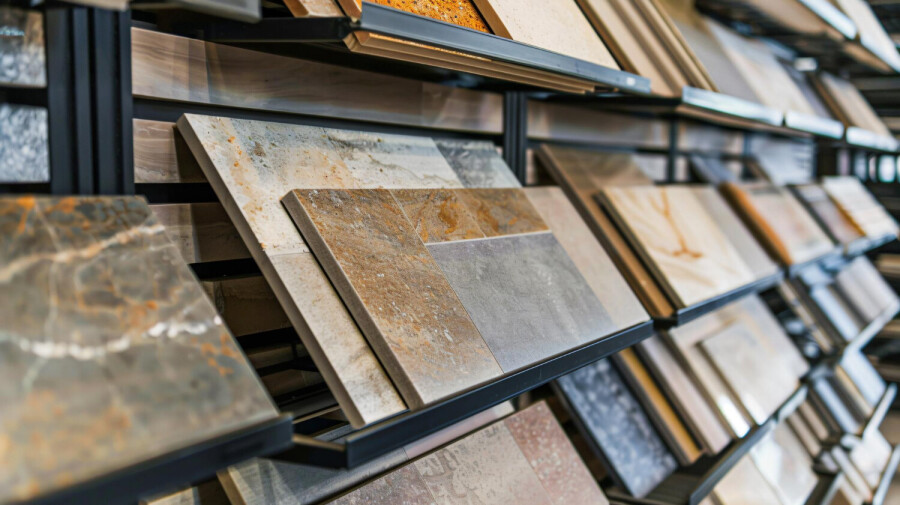
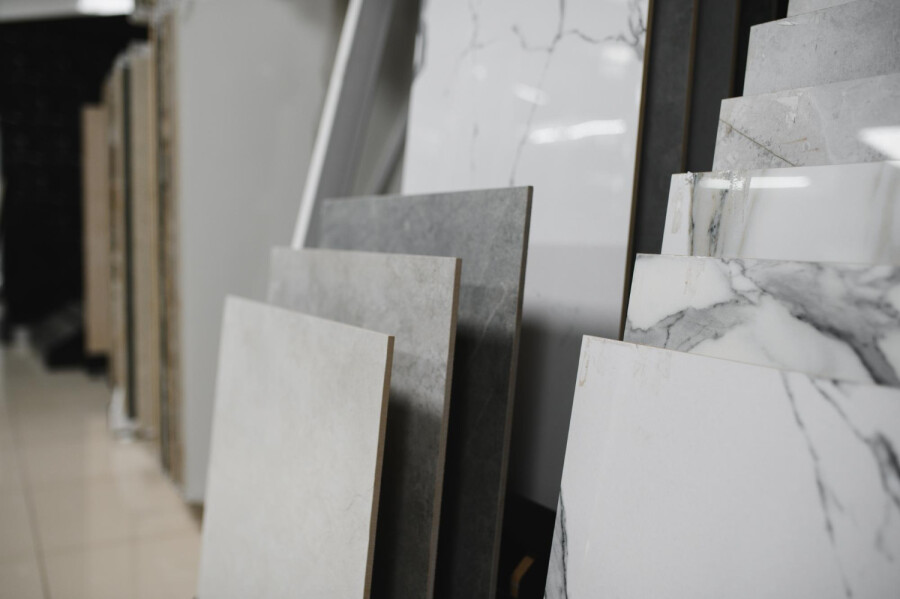
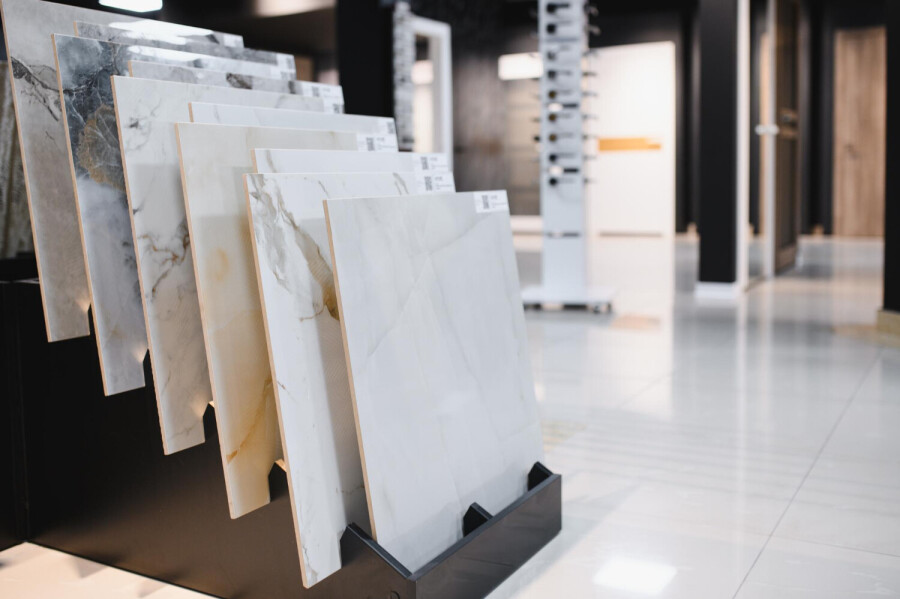
When it comes to appearance, both granite and ceramic tiles offer plenty of options. Granite tiles tend to have more natural-looking patterns because their appearance resembles natural stone. The pattern can also vary from one tile to another, giving the floor a unique and luxurious feel.
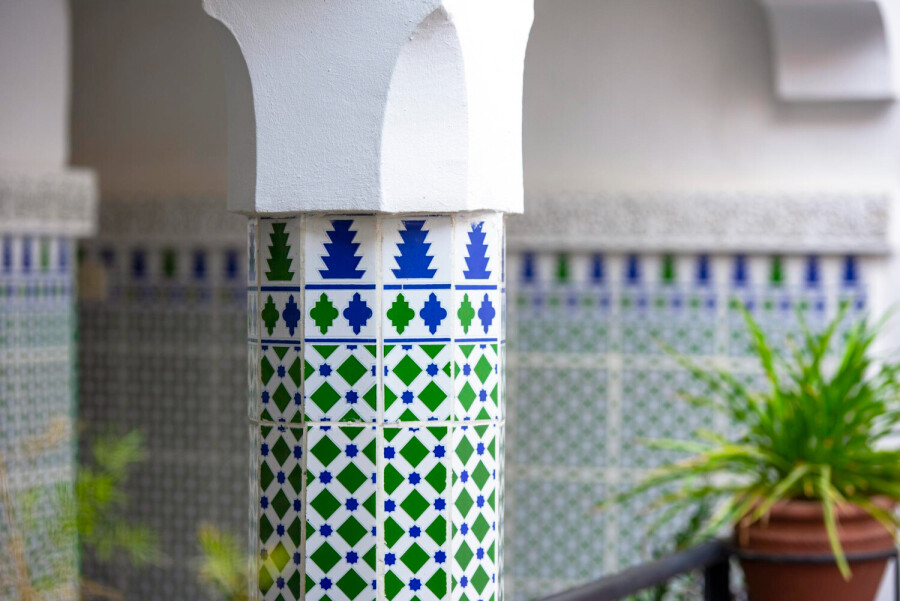
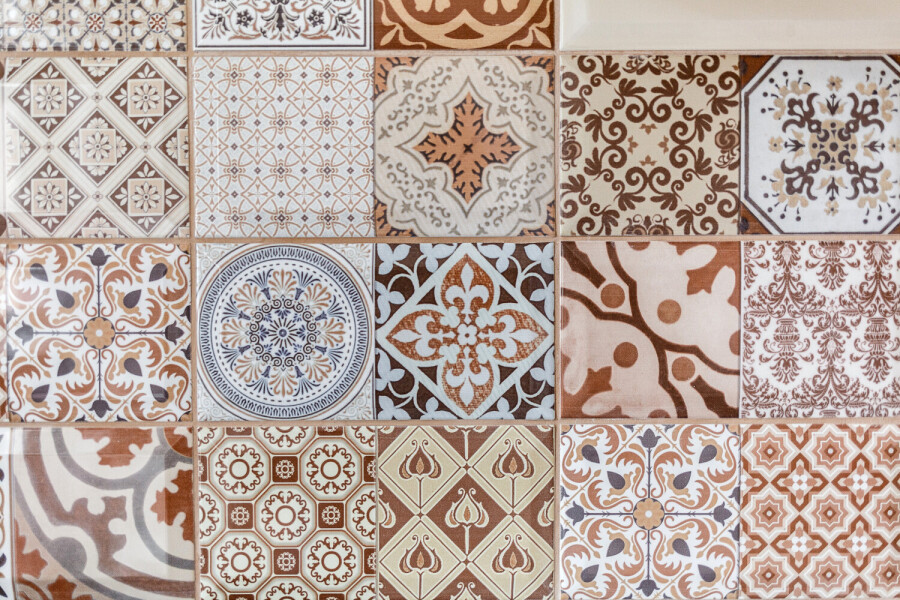
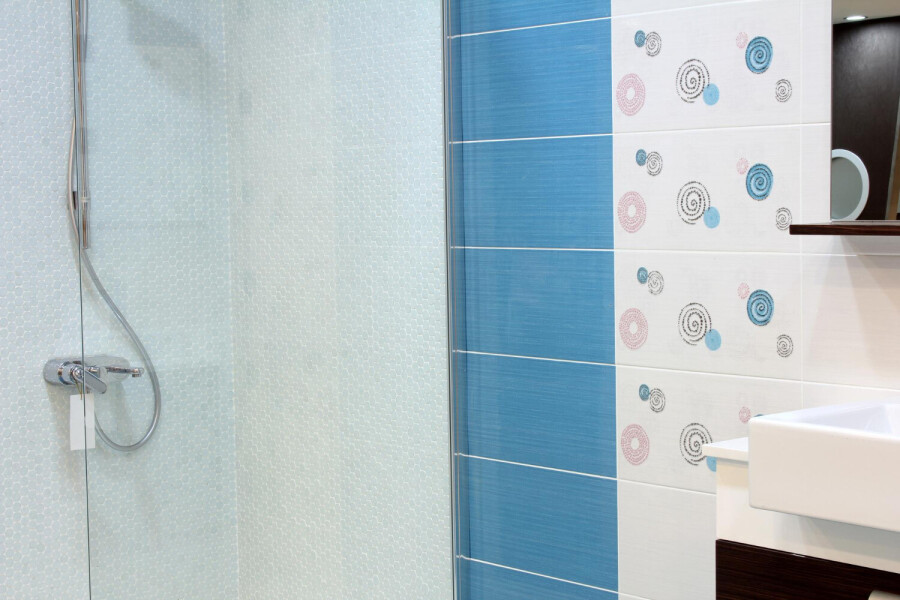
Ceramic tiles offer even more variety. You can find a wide selection of colors, ceramic tile patterns, and textures inspired by materials such as wood, concrete, and natural stone. With so many options available, ceramic tiles are easier to match with different interior styles and design concepts.
6. Installation
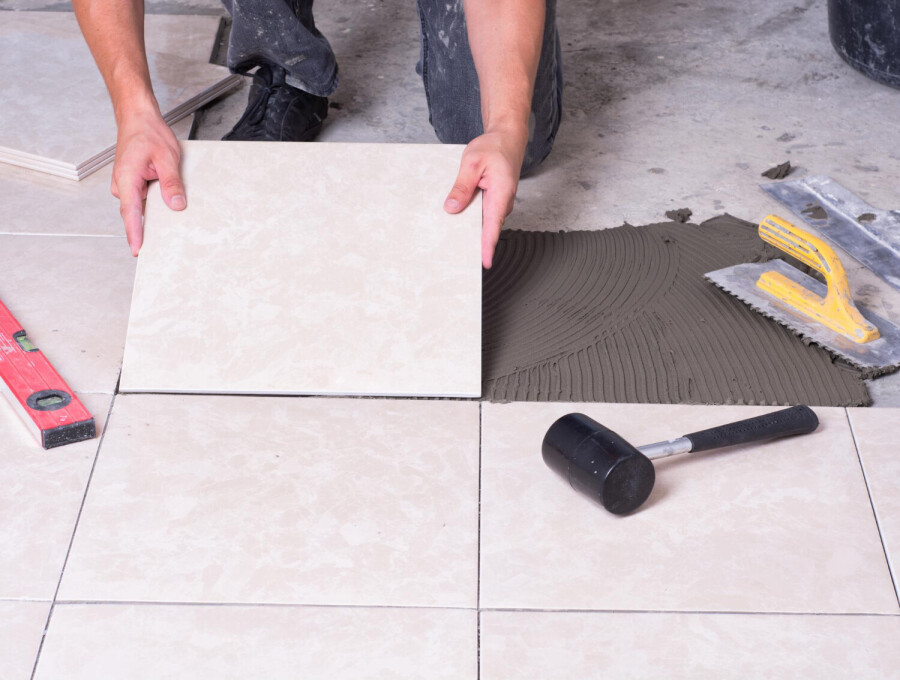
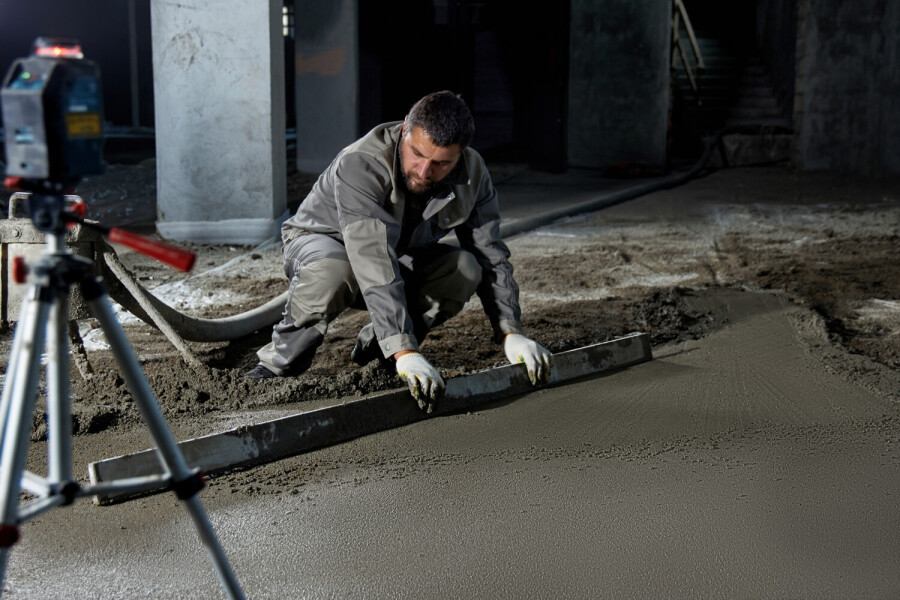
Cara pasang keramik dan granit juga tidak sama. Granit punya bobot yang lebih berat sehingga pemasangannya membutuhkan tenaga, alat, dan bahan perekat yang sesuai. Prosesnya pun biasanya membutuhkan waktu lebih lama agar setiap keping terpasang dengan kuat dan rapi.
Keramik memiliki bobot yang lebih ringan sehingga lebih mudah dipasang. Proses pemasangannya juga lebih praktis dan bisa dilakukan sendiri jika permukaan serta ukuran keramik mendukung.
Read also: Floor Screed: Types & How to Apply It for a Durable Finish!
7. Price and Budget
In terms of cost, granite tiles are generally more expensive than ceramic tiles. The price difference is influenced by factors such as quality, size, and material density.
Although granite comes with a higher price tag, it can be a worthwhile long-term investment thanks to its durability. Ceramic tiles, on the other hand, are available at a wider range of price points, making them easier to fit into different budgets.
So, don't base your decision on price alone. Consider the room's function, how frequently it will be used, and the long-term maintenance costs before choosing your flooring material.
How to Choose Between Granite vs. Ceramic Tiles
Before making your choice, there are a few things to consider to make sure the granite or ceramic tiles you choose are suitable for your space. Here are some tips to keep in mind:
Choose the material based on the room's function and conditions.
Consider how the space will be used so the material can withstand everyday activity.
Match the tile size, color, and pattern with your interior concept.
Use the right adhesive to ensure the tiles are securely installed and don't shift easily.
Choose grout that suits the installation area to make cleaning easier and prevent dirt from building up quickly.
Now that we've covered the differences between granite and ceramic tiles, from their materials and durability to their price, you can see that each has its own advantages and drawbacks.
There is no one-size-fits-all choice. The best option depends on your room's needs, how the space will be used, and your available budget.
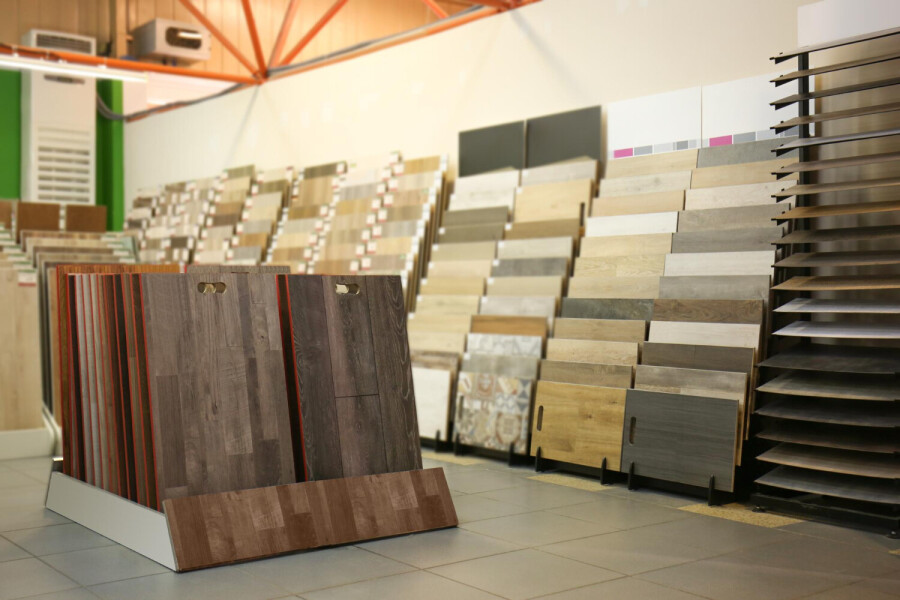
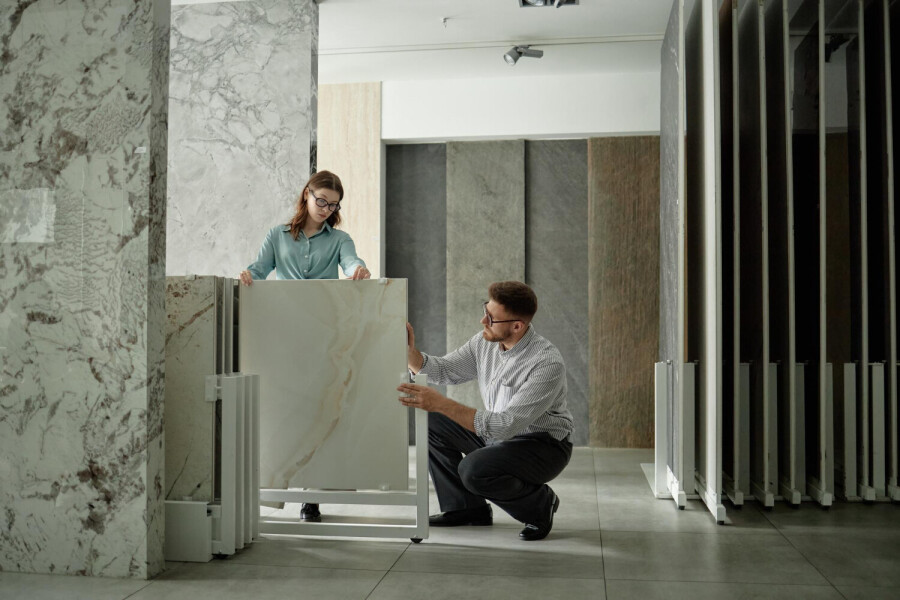
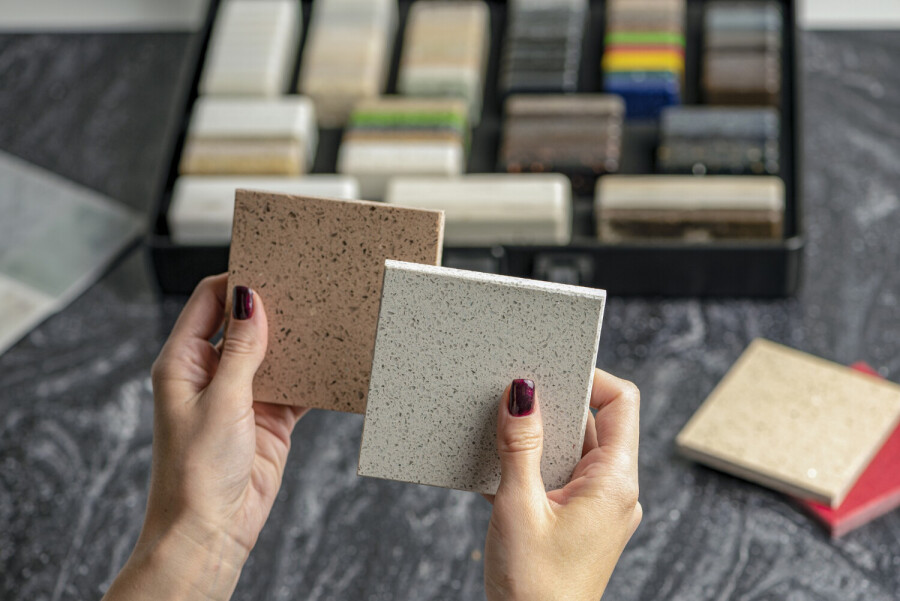
Once you understand the differences, it's also a good idea to see the materials in person before making your final decision. This allows you to compare their sizes, patterns, textures, and overall quality more easily.
KERAMIKA Indonesia is one place where you can explore a wide range of options. The exhibition brings together various ceramic brands and building material brands from Indonesia and around the world, all under one roof.
Beyond ceramic and granite tiles, you can also discover inspiration for interior and exterior design, sanitary ware, construction technology, and other building materials.
For ceramic manufacturers looking to introduce their products to potential customers, KERAMIKA Indonesia also offers opportunities for ceramic and granite brands to become exhibitors.
Want to learn more about KERAMIKA Indonesia, including its upcoming event programs and exhibition schedule? Simply contact our team and be sure to follow @keramikaid on Instagram for the latest updates about KERAMIKA Indonesia.
Read also: 25 Best Ceramic Tile Brands in Indonesia, Save This List!
-x8vxc0-t3dqkz-md.jpg)