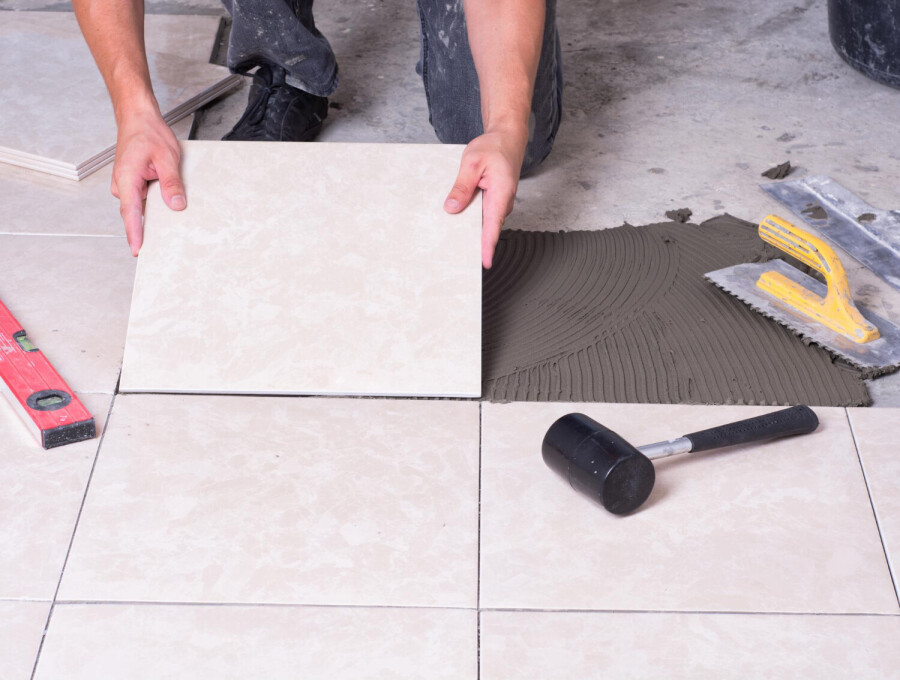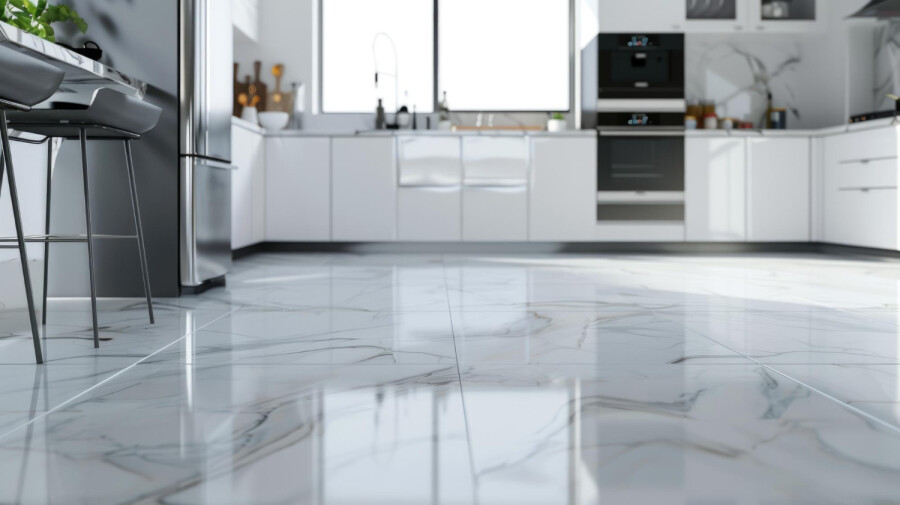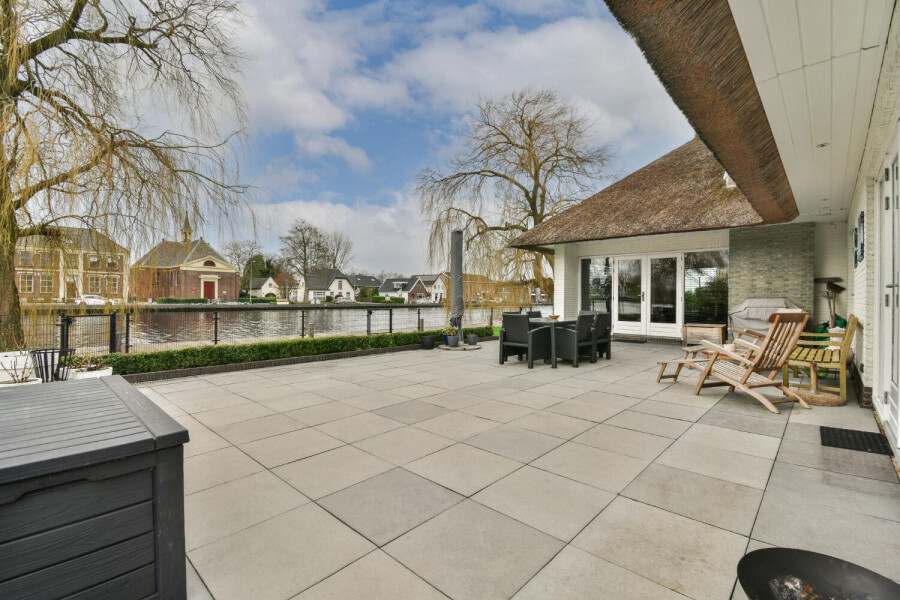
Did you know that high-quality finishing materials do not automatically guarantee a precise and durable floor? If the floor surface is uneven, installing finishing materials such as tiles may not produce the desired results. That is why the surface needs to be properly prepared using floor screed.
Floor screed is a crucial element that can affect various aspects of a floor, from safety and comfort to aesthetics. If you are planning to construct or renovate a building, understand the concept of floor screed through the following explanation!
What Is Floor Screed?
Floor screed is a mixture of sand and cement or a specific mortar material applied over a concrete surface before installing floor tiles, vinyl, granite, or epoxy. The application process is commonly referred to as screeding.
The thickness of floor screed can vary depending on the condition of the surface, the finishing material being used, project requirements, and the application area. However, it generally ranges from 50–100 mm.
When Is Floor Screeding Needed?
Floor screeding is generally carried out under the following conditions:
The concrete surface is uneven: If the surface is uneven, rough, or wavy, the finishing result may not be optimal or precise. To prevent this, the floor should be screeded first to create a level surface. This allows the finishing material to be installed more properly.
The floor height needs to be consistent: In some projects, screeding is needed to adjust the floor elevation so that different areas remain at the same level. For example, the floor levels of the living room and family room may need to be aligned even when different finishing materials are used.
The floor is subject to heavy traffic: In commercial areas, factories, or offices, floors may be exposed to heavy loads and high foot traffic. In these conditions, screeding can help improve the floor's strength and durability, protecting it from wear and tear over the long term.
Heat and sound insulation are needed: Certain types of floor screed offer good thermal and acoustic insulation. This means screed can help regulate room temperature, prevent damp conditions, and reduce noise. This makes it suitable for homes in busy environments, such as those located near main roads.
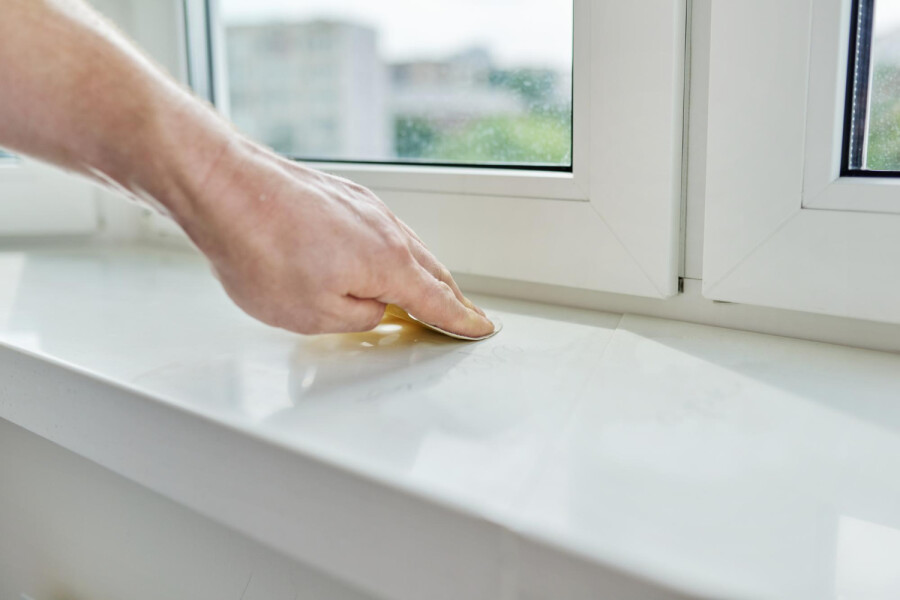
You want to enhance the aesthetic appeal: Certain types of floor screed can also enhance the overall aesthetics by creating a smooth and polished-looking surface.
Read also: Tile Business Startup Cost & How to Start It
Types of Floor Screed
In practice, floor screed can be divided into several types as follows:
1. Polymer Screed
Polymer screed is a type of floor screed that uses polymer resin as its primary binding agent. This type of screed is known for its flexibility and resistance to moisture, cracking, chemicals, and abrasion.
With these characteristics, polymer screed is suitable for high-performance flooring applications, such as in factories. It is also commonly used in renovation projects where a minimum screed thickness is required.
2. Anhydrite Screed
The second type is anhydrite screed, which uses calcium sulfate or anhydrite as its binding agent. Anhydrite screed is known for its good stability, easy application, and ability to provide an even floor surface.
Anhydrite screed is commonly found in commercial and residential buildings, such as airports, hotels, and shopping malls. However, keep in mind that this type of screed is not suitable for damp areas because it is not water-resistant.
3. Epoxy Screed
As the name suggests, epoxy screed uses epoxy resin as its primary binding agent. As a result, floors finished with this type of screed have a smooth and glossy appearance, are resistant to scratches, and are easy to clean.
Besides offering advantages in terms of appearance and maintenance, epoxy screed also has excellent chemical resistance, making it a popular choice for laboratory and chemical factory floors.
4. Traditional Screed
While the first three types are classified based on their binding agents, the fourth and fifth types are classified based on the form or preparation of the material.
Traditional screed is made from cement, sand, and water mixed in specific proportions at the project site. It is one of the most commonly used types in construction projects because the materials are readily available.
The final result of traditional screed can vary depending on the quality of the mixture, workers' skills, application thickness, and post-installation maintenance.
5. Ready-to-Use Premixed Screed
The final type is ready-to-use premixed screed, which consists of specially formulated mortar. You simply need to add water according to the manufacturer's instructions before applying it to the floor.
If you want to save installation time and achieve more consistent results, premixed screed can be a suitable choice. This type of screed is practical to apply, offers more consistent mixture quality, and reduces the risk of incorrect proportions.
Read also: Ceramic vs. Porcelain Tile: The Difference & How to Choose
Tips for Applying Floor Screed for Optimal Results
Before applying floor screed, keep the following important tips in mind:
Make sure the surface is clean: Before applying screed, clean the floor of dirt, dust, oil, and cracks. This is important because a dirty or uneven surface can cause the screed to detach more easily.
Prepare the mixture with the right consistency: The goal is to make the application easier and achieve a smooth final surface. For a more practical option, you can use ready-to-use premixed screed and follow the technical instructions on the packaging.
Determine the appropriate thickness: The thickness of the screed should be adjusted according to the condition of the base surface, project requirements, expected load, and finishing material. If it is too thin, the screed may not perform its function properly. On the other hand, if it is too thick, it will take longer to dry and may have a higher risk of cracking.
Level the screed layer: After application, level the screed using a bull float or a long-handled board moved back and forth in a sawing motion. Also, check the surface level several times using a measuring tool, such as a spirit level.
Allow the screed to dry completely: The minimum drying time for screed is 7 days, while concrete floors typically require 28 days. To help the drying process, cover the screed area with plastic sheeting and seal the edges to prevent the screed from losing moisture.
Ultimately, floor screed can be understood as an important part of a building's flooring system design. When applied properly, it can help improve floor safety and reduce the cost of future repairs.
Now that you understand the basics of the process, it's time to find the right ceramic products for your project by visiting KERAMIKA Indonesia, the largest ceramic exhibition in ASEAN.
At KERAMIKA Indonesia, you can explore outstanding collections from national and international ceramic brands. You can also find inspiration for modern interior and exterior designs, building materials, sanitary ware, and other products to enhance your home.
KERAMIKA Indonesia is also open to ceramic manufacturers looking to showcase their best products. By registering as an exhibitor, ceramic manufacturers can increase their brand exposure and gain opportunities to connect with potential customers and business partners.
Want to learn more about the exhibition schedule, event programs, and the brands you can find at KERAMIKA Indonesia? Feel free to contact our team and follow the latest updates on Instagram at @keramikaid!
-x8vxc0-t3dqkz-md.jpg)