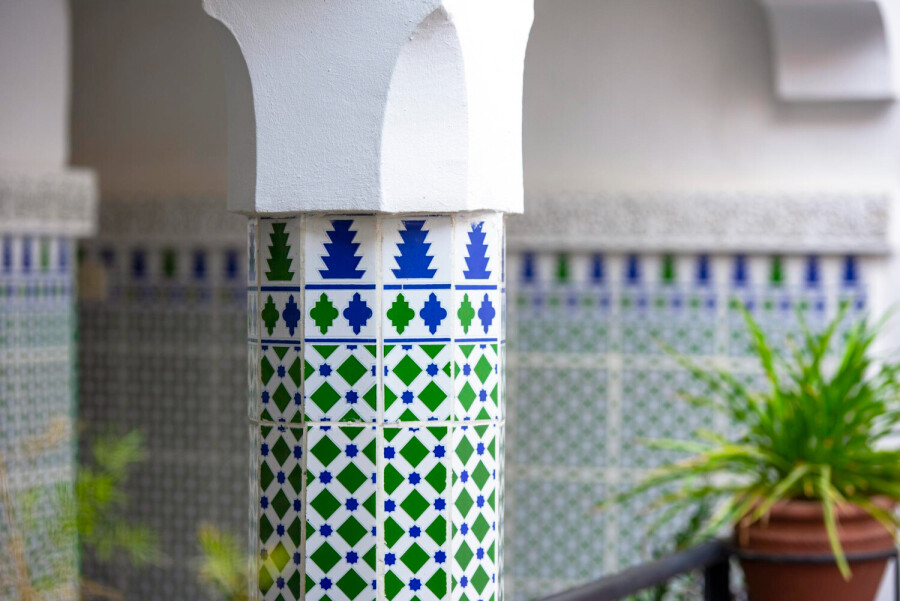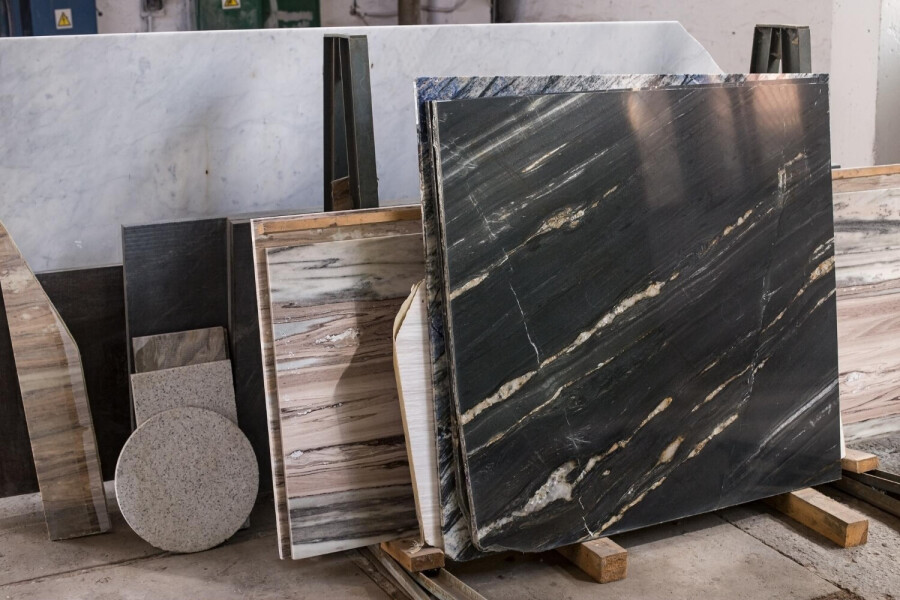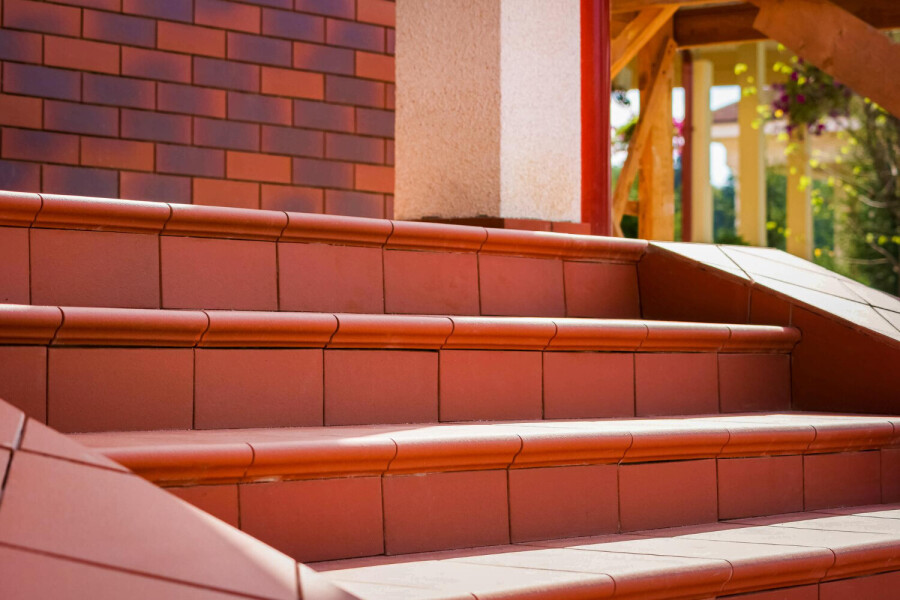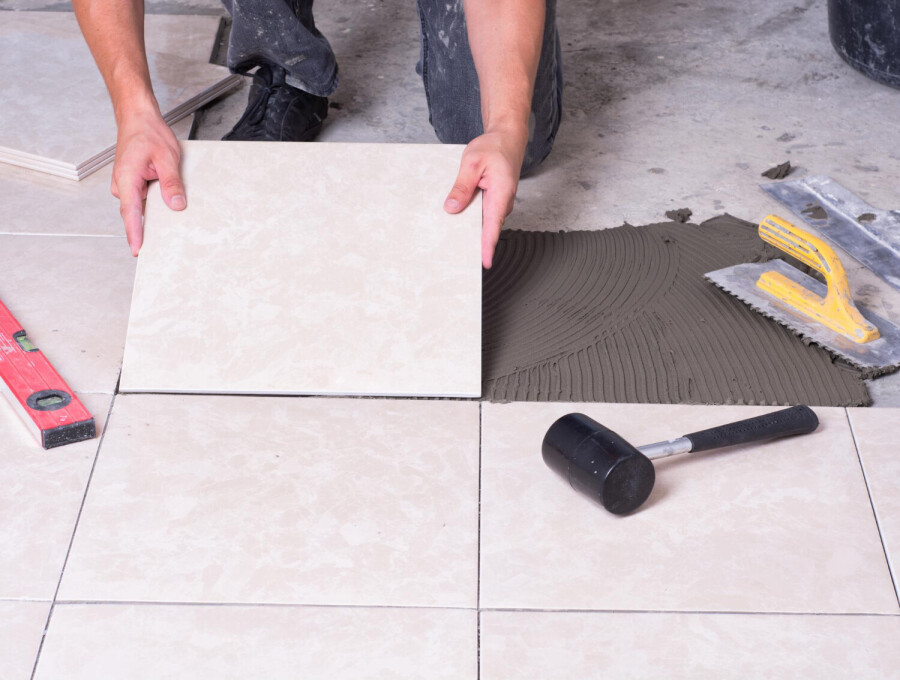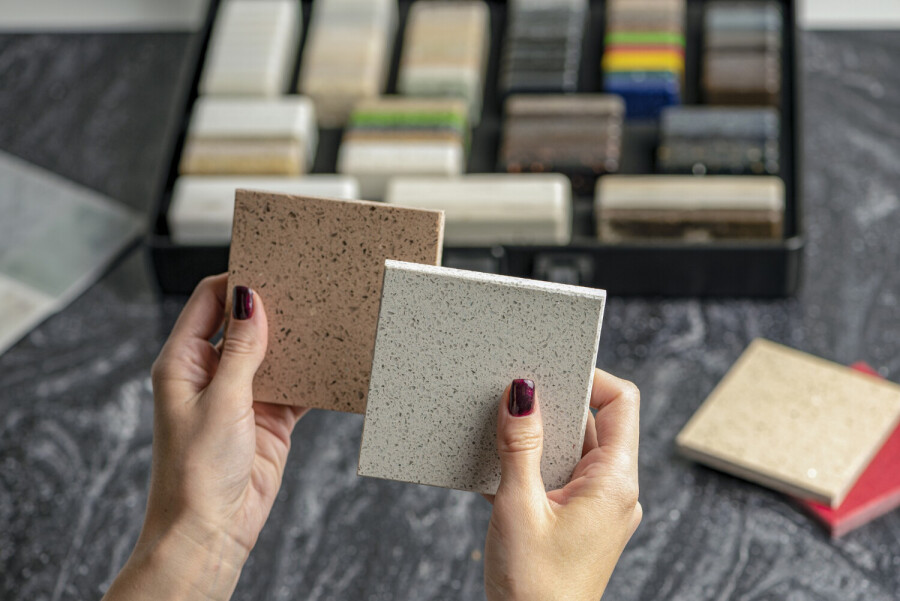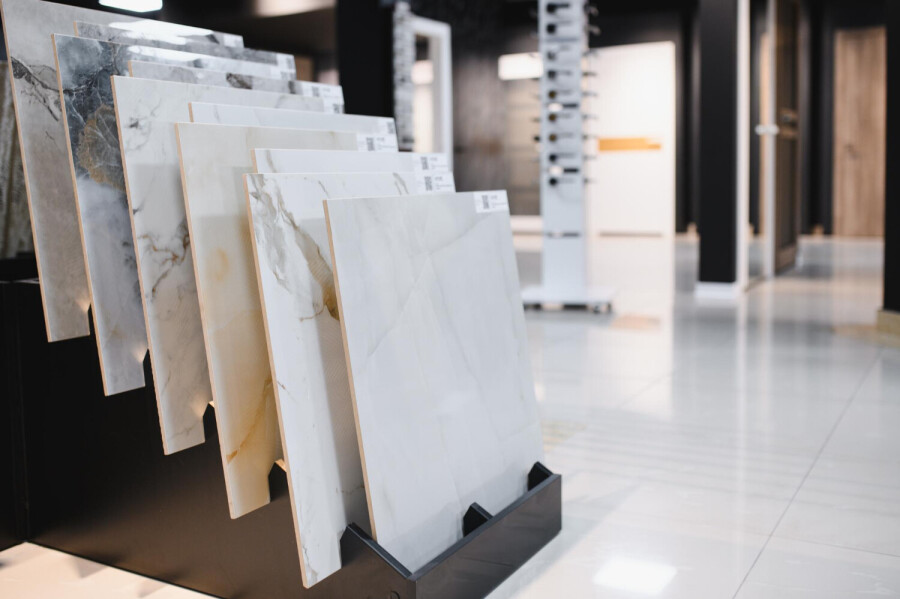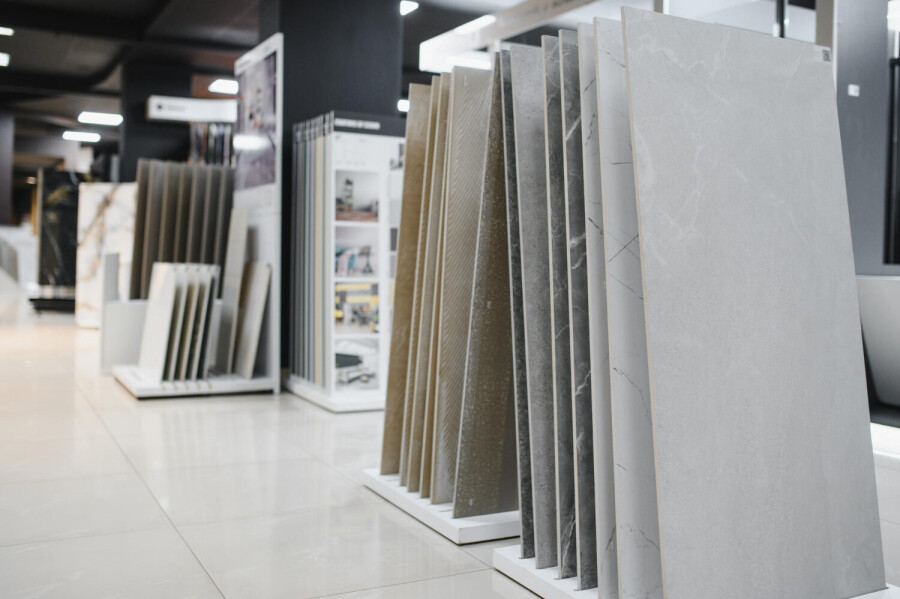
Ceramic and porcelain tiles are commonly used for floors, walls, and even tableware. While they may look similar, they have several important differences, including the materials they're made from, how strong they are, and where they're best used.
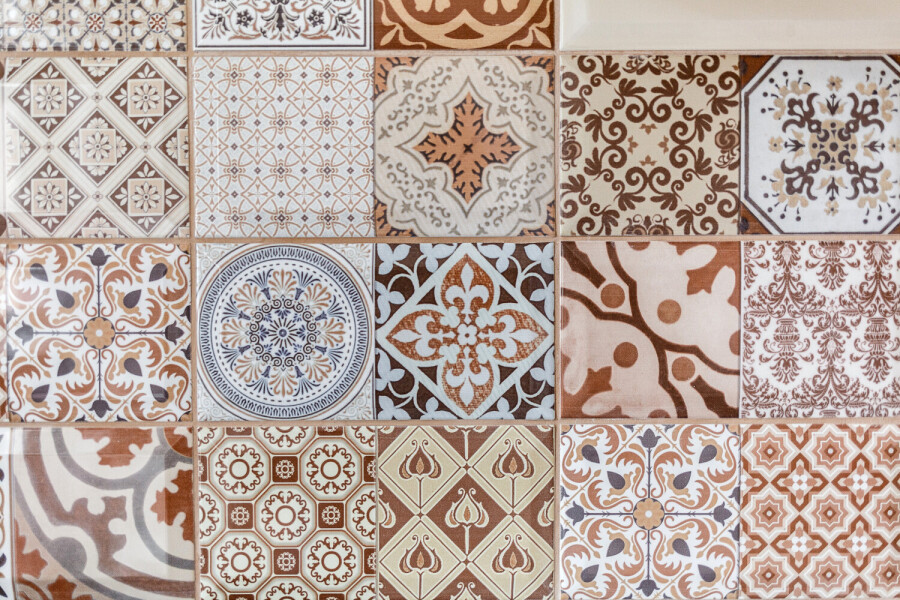
Ceramic tiles come in a wide range of colors, while porcelain offers many design options that can match different styles and room concepts.
By understanding the differences between ceramic vs. porcelain tile, you'll have an easier time choosing the right material for your needs. Here's what you need to know.
Differences Between Ceramic vs. Porcelain Tile
Although both ceramic and porcelain are widely used in construction and interior design, they have distinct characteristics. These differences include their raw materials, properties, manufacturing process, and durability.
1. Raw Materials
One of the biggest differences between ceramic and porcelain is the type of clay used to make them.
Ceramic is usually made from red or white clay mixed with quartz and feldspar, then fired at a high temperature.
Porcelain, on the other hand, is made from a finer and purer type of clay called kaolin, which is naturally rich in minerals.
Like ceramic, porcelain also contains feldspar and silica. However, it is fired at a much higher temperature, making it denser and stronger. Porcelain also has a very low water absorption rate, typically less than 0.5%.
2. Characteristics
Ceramic and porcelain also differ in their overall properties.
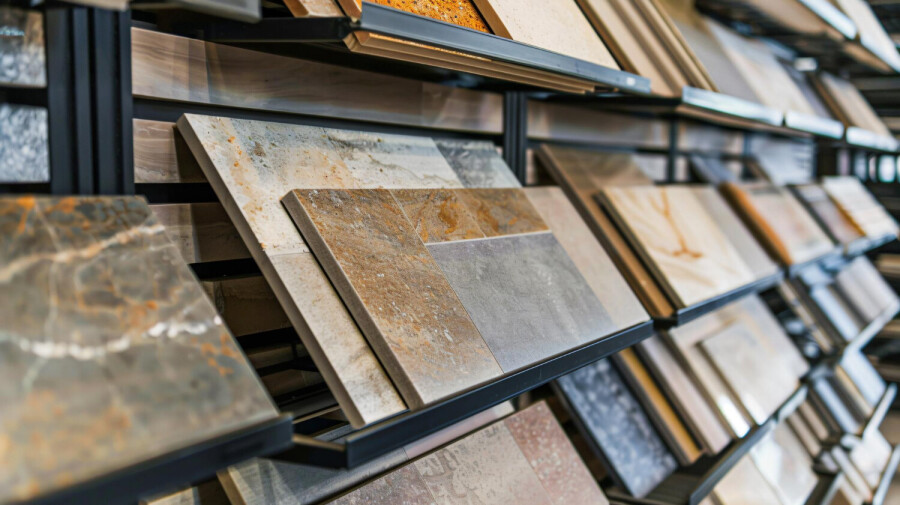
Ceramic has a more porous structure, so it absorbs more water. However, it comes in a wide variety of colors, textures, and finishes, making it a popular choice for many interior spaces.
Porcelain is denser, harder, and much less porous. Because of this, it is more resistant to moisture, stains, and scratches, making it a great option for areas that see heavy daily use.
3. Manufacturing Process
The next difference between ceramic vs porcelain tile is how they are made. In general, they're made using different firing temperatures, which affects their strength and performance.
Ceramic is typically fired at around 900–1,000°C (1,650–1,830°F). This process creates a durable material, but it still has small pores that can absorb moisture.
Porcelain, in contrast, is fired at a much higher temperature of about 1,200–1,400°C (2,190–2,550°F). The higher heat makes it denser, harder, and more resistant to water, stains, and impact than ceramic.
4. Maintenance
When comparing ceramic vs porcelain tile, both are easy to maintain, but they require slightly different care.
Ceramic tiles should be cleaned regularly because their porous surface can absorb water and stains more easily. Simply sweep or vacuum away dust, then mop with warm water and a mild cleaner.
Porcelain tiles are even easier to maintain because they absorb very little water. Regular sweeping or vacuuming followed by mopping with warm water is usually enough. To keep the surface looking its best, avoid using acidic cleaning products.
5. Uses and Applications
The differences between ceramic vs porcelain tile also affect where each material is best used.
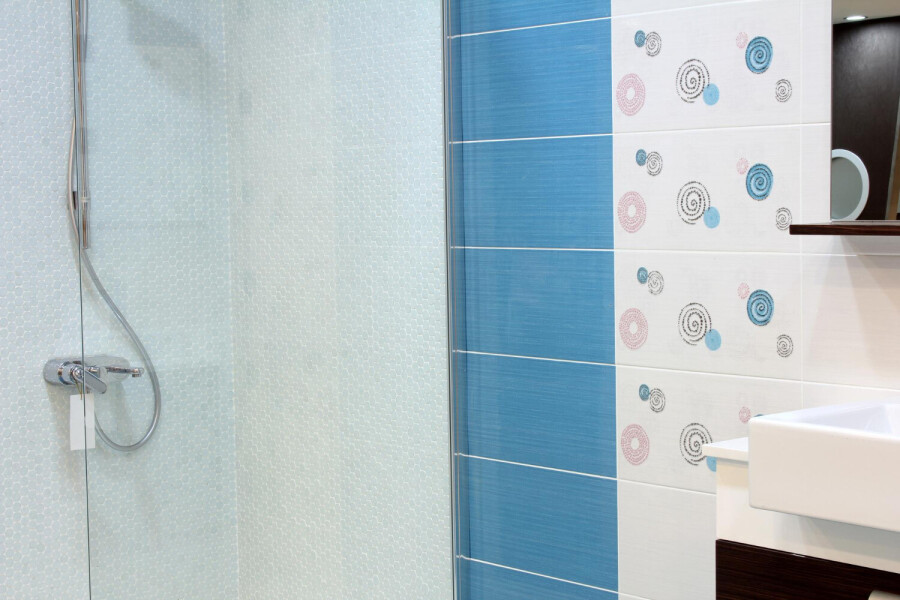
Ceramic tiles are commonly used for wall coverings, decorative features, and areas with light foot traffic. They're a great option for spaces that aren't exposed to heavy wear or constant moisture.
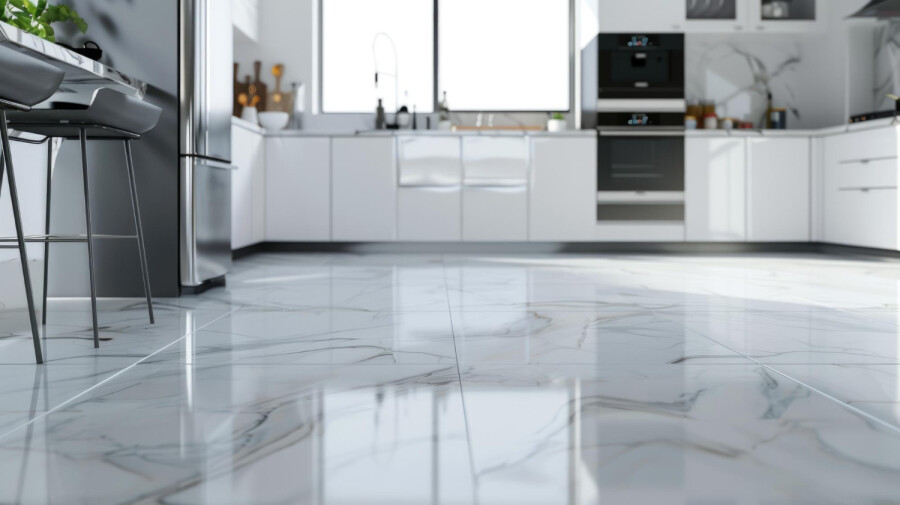
Porcelain tiles are better suited for flooring, especially in high-traffic areas. Thanks to their strength and low water absorption, they're also ideal for bathrooms, kitchens, outdoor spaces, and other areas that need a more durable surface.
6. Durability
One of the biggest advantages in the ceramic vs porcelain tile comparison is durability.
Porcelain tiles are denser, harder, and absorb very little water, making them highly resistant to cracks, chips, stains, and everyday wear.
Ceramic tiles are generally more porous, so they're more likely to absorb moisture and become damaged over time. However, they're easier to cut and install, making them a practical and budget-friendly choice for many indoor projects.
Ceramic vs. Porcelain: Which One Is Right for Your Needs?
Choosing between ceramic and porcelain should depend on your needs and where the material will be used. To make the right decision, consider these factors below.
1. Application Area
If you plan to use the material in areas with heavy foot traffic or frequent exposure to water, such as bathrooms, kitchens, or commercial spaces, porcelain is a better choice because it is stronger and more durable.
On the other hand, ceramic can be a suitable option for rooms that are not used as frequently. Besides being more affordable, ceramic tiles are also available in a wide range of patterns and designs.
2. Design Preferences
For those who prioritize appearance, ceramic can be a great option. This material comes in various colors, patterns, and textures, making it easier to match different interior concepts.
Porcelain also offers many design options, although the variety may not be as extensive as ceramic tiles.
3. Budget
If you are working with a limited budget, ceramic is often the more practical choice because it is generally more affordable. Despite the lower price, ceramic tiles can still provide an attractive look and work well for various applications.
However, if long-term durability is your main priority, porcelain is worth considering. While it tends to have a higher price, porcelain offers better strength, lasts longer, and is less likely to be damaged.
For businesses in the ceramic and building materials industry, understanding the differences between ceramic vs porcelain tile can help you develop the right product strategy based on market needs. This allows you to provide more relevant solutions for residential projects, commercial spaces, and large-scale construction developments.
As the demand for high-quality building materials continues to grow, there are greater opportunities for businesses to expand their market reach and connect with more customers.
If you are a business owner or manufacturer in the ceramic and building materials industry, now is the perfect time to introduce your products to a wider audience through KERAMIKA Indonesia.
As one of ASEAN’s leading ceramic exhibitions, KERAMIKA Indonesia showcases hundreds of ceramic brands with various products, including ceramic tiles, sanitary ware, natural stone, marble, building materials, as well as solutions for interior design and construction.
More than just a product showcase, KERAMIKA Indonesia provides an opportunity for exhibitors to connect with thousands of buyers, distributors, contractors, developers, architects, interior designers, and industry professionals from various countries.
Through this exhibition, you can expand your business network, create new partnerships, and increase your ceramic brand’s visibility among the right target audience.
So, what are you waiting for? Register as an exhibitor at KERAMIKA Indonesia and become part of an exhibition that brings together innovation, business opportunities, and industry professionals.
For more information about upcoming exhibition schedules, contact our team and make sure to follow our Instagram account @keramikaid to stay updated with the latest announcements.
-x8vxc0-t3dqkz-md.jpg)