Have you ever come across two ceramic tiles with the same pattern and size but different prices? The difference may not only be in the brand, but also in the tile grade. Now, among the different ceramic tile grades, two commonly encountered options are Grade A and Grade B.
So, what is the difference between Grade A and Grade B ceramic tiles, and how much can it affect the final installation? Let's take a closer look to understand the differences before making your choice!
Difference Between Grade A and Grade B Ceramic Tiles
The differences between Grade A and Grade B ceramic tiles can be seen from several aspects, ranging from surface quality and dimensional consistency to packaging labels. Here's what you need to know before deciding which one to buy:
1. Surface Quality
One of the main indicators when comparing Grade A and Grade B ceramic tiles is the quality of the surface or top layer of the tile.
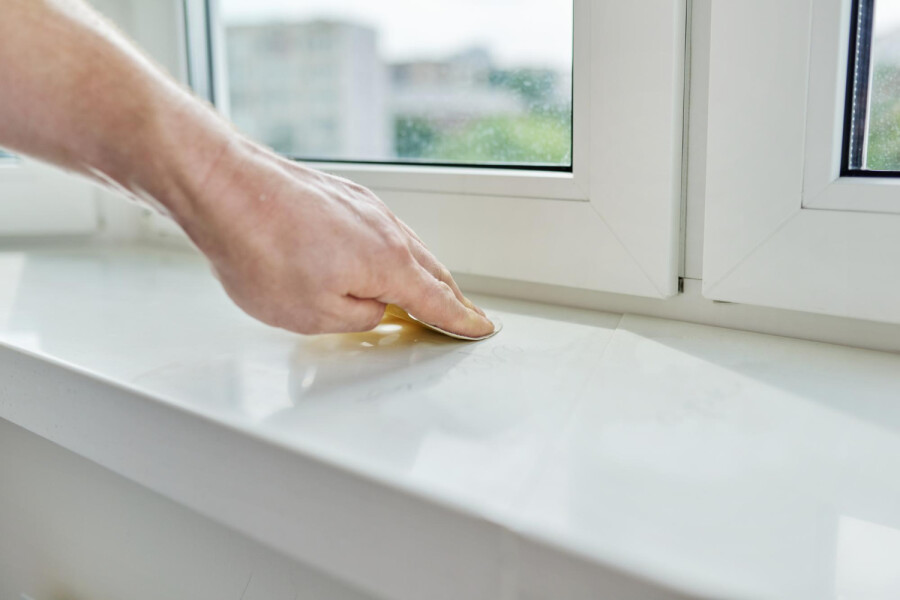
Grade A ceramic tiles have higher quality standards, so their surfaces are generally smooth and even, without visible defects or cracks. For glazed tiles, surface quality can be assessed by checking the condition of the glaze, which should have minimal defects and pinholes.
Meanwhile, Grade B ceramic tiles may have small spots and fine scratches on the surface, although these imperfections are generally not too noticeable.
2. Pattern and Color
In addition to surface quality, differences can also generally be seen in the pattern and tile color. However, the key consideration is not simply whether the pattern looks good, but how consistent the color and pattern are from one tile to another.
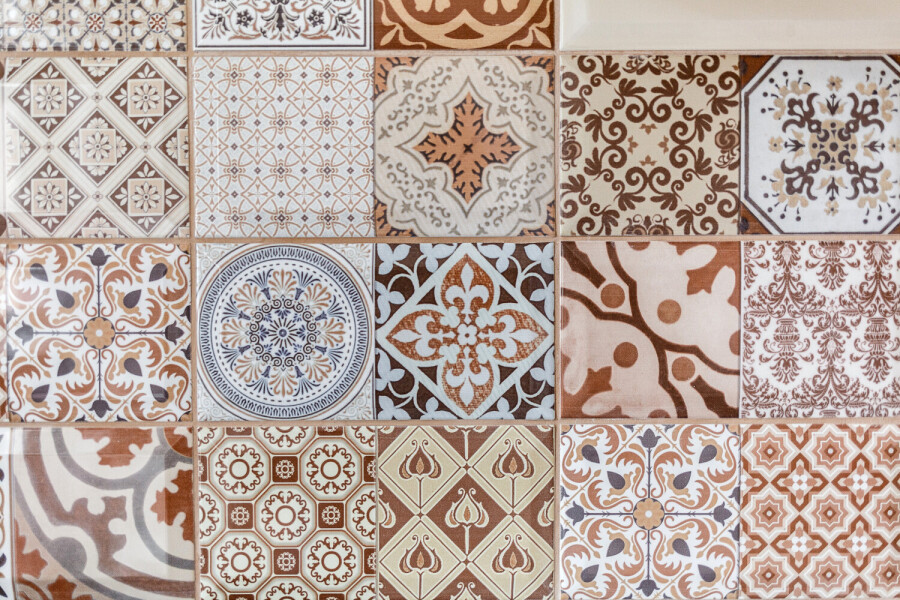
Grade A ceramic tiles generally have neat and well-structured patterns. In contrast, Grade B tiles may have pattern details that are less consistent or less precise. In terms of color, Grade A tiles tend to have more stable and uniform tones, while Grade B tiles may show greater color variation across the tiles.
Read also: Ceramic Tiles Export: Opportunities, Challenges, and How to Get Started
3. Dimensional Consistency
When comparing Grade A and Grade B ceramic tiles, don't overlook dimensional consistency, even though the differences can be relatively small.
Grade A ceramic tiles generally have more precise and consistent dimensions across each piece. Meanwhile, Grade B tiles may have slightly greater dimensional tolerances. As a result, grout lines or installation patterns may not be as uniform as those achieved with Grade A tiles.
For example, consider 40 × 40 cm ceramic tiles. During the manufacturing process, the dimensions of every tile cannot always be exactly identical. When measured again, Grade A tiles may show greater dimensional consistency, while Grade B tiles may have a difference of 1–2 millimeters, such as measuring 39.9 × 40 cm.
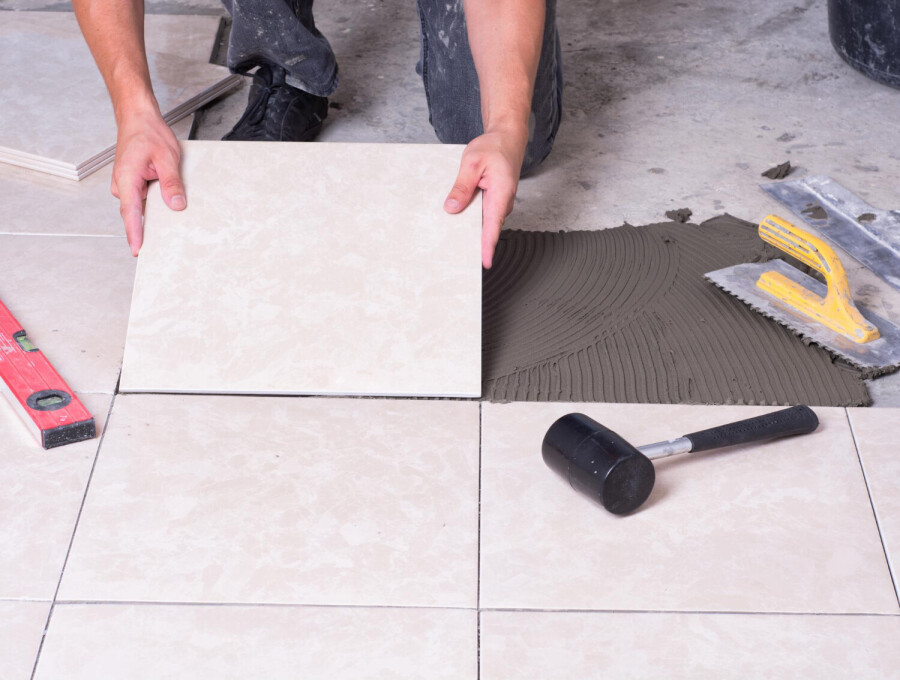
It's also important to understand that dimensional variations can affect the installation process. Grade A tiles, with their more consistent dimensions, are generally easier to align, resulting in neater grout lines.
In contrast, Grade B tiles with greater dimensional variations may require additional adjustments during installation to keep the overall pattern properly aligned.
4. Price
Differences in surface quality, color, pattern, and dimensions generally affect the price. Since Grade A ceramic tiles offer higher visual quality and dimensional precision, they tend to be more expensive.
In contrast, Grade B ceramic tiles are generally available at a slightly lower price. Therefore, they can be a suitable option if you want to save on your budget while still getting a functional and usable product.
5. Suitable Applications
Another difference between Grade A and Grade B ceramic tiles is their recommended application. With their overall advantages, Grade A ceramic tiles are well suited for focal points or areas that are frequently visited by guests, such as terraces, foyers, living rooms, showrooms, and hotel reception areas.
Meanwhile, Grade B ceramic tiles are more suitable for areas where pattern consistency or aesthetics are less critical, such as kitchens, garages, or service areas.
Read also: Ceramic vs. Porcelain Tile: The Difference & How to Choose
6. Packaging Label
Besides physical characteristics, price, and recommended applications, Grade A and Grade B ceramic tiles can also be distinguished by the information stated on their packaging labels.
On the packaging label, Grade A may be indicated by terms such as Grade A, Grade 1, First Grade, Export Quality, or First Quality. Meanwhile, Grade B may be labeled as Grade B, Grade 2, or Economy Quality.
Now that you understand the differences between Grade A and Grade B ceramic tiles, you probably want to know how to inspect them carefully to avoid making the wrong choice, right? It's important to examine the surface quality directly, as well as the consistency of the pattern, color, and dimensions, so you can make a more informed decision.
If you want to see and compare a wide range of ceramic tile products in person, KERAMIKA Indonesia is the right place to visit.
As a leading ceramic exhibition in ASEAN, KERAMIKA Indonesia makes it easier to discover a variety of high-quality ceramic products from both national and international brands. The exhibition goes beyond ceramic tiles, also showcasing interior and exterior design inspiration, modern home trends, and various building material solutions.
In addition to being open to visitors, KERAMIKA Indonesia also provides opportunities for ceramic manufacturers to register as an exhibitor to increase brand exposure, showcase their product collections, and connect with potential customers.
Want to learn more about the exhibition schedule, event programs, and the ceramic brands featured at KERAMIKA Indonesia? Feel free to contact our team and follow the latest updates on Instagram at @keramikaid!
Read also: Tile Business Startup Cost & How to Start It
-x8vxc0-t3dqkz-md.jpg)